
Damage restoration
Textiles after water damage, fire or damp
If textiles have been affected by water, soot, damp or odour, we go through them and tell you what we judge can be treated — and what cannot.
Typical damage
What we see most often
The type of damage determines how the textiles must be treated.
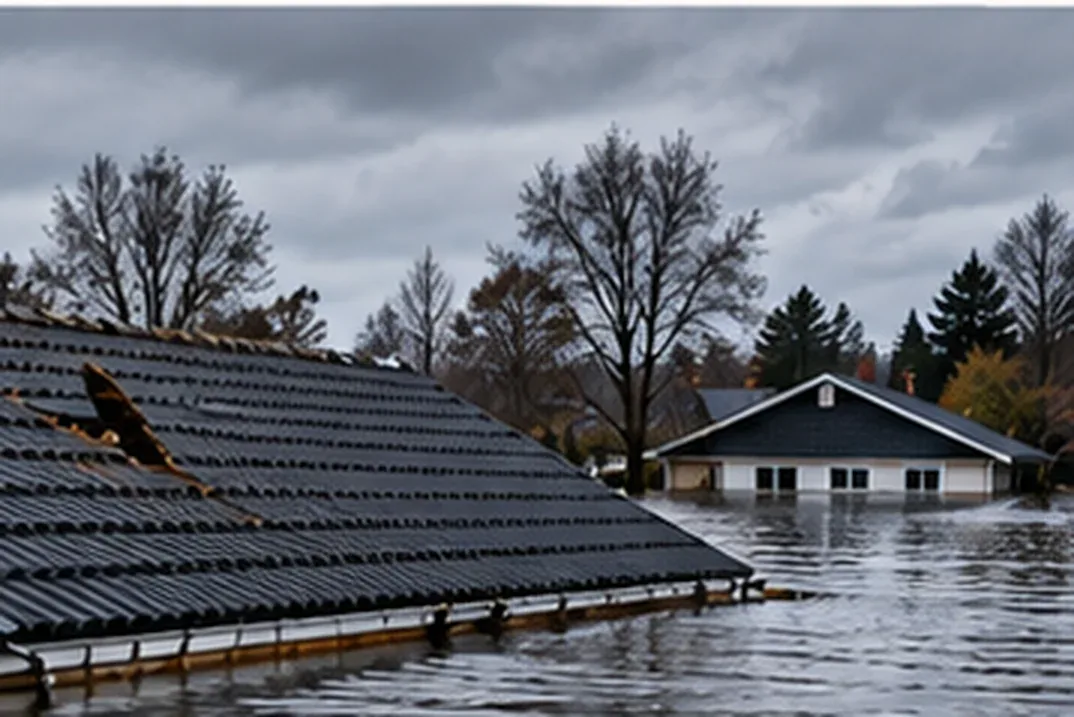
Water damage
Flooding and water damage can do serious harm to clothing, furniture and home textiles.
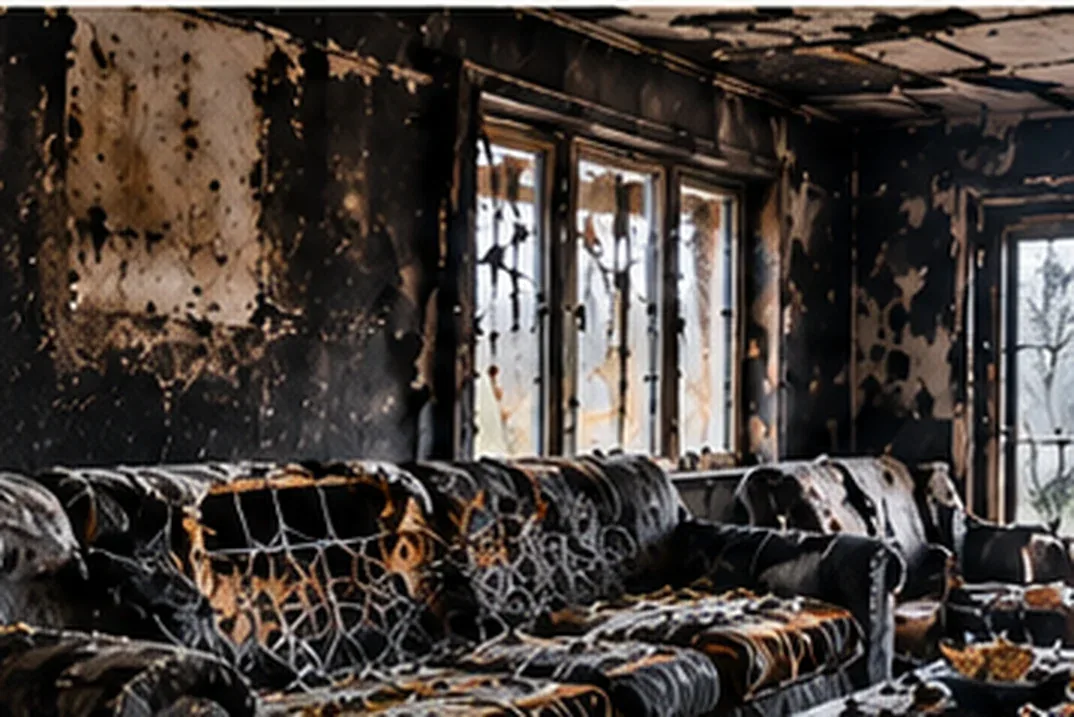
Fire damage
Heat, flames and smoke ruin textiles — but often more can be saved than you might think.
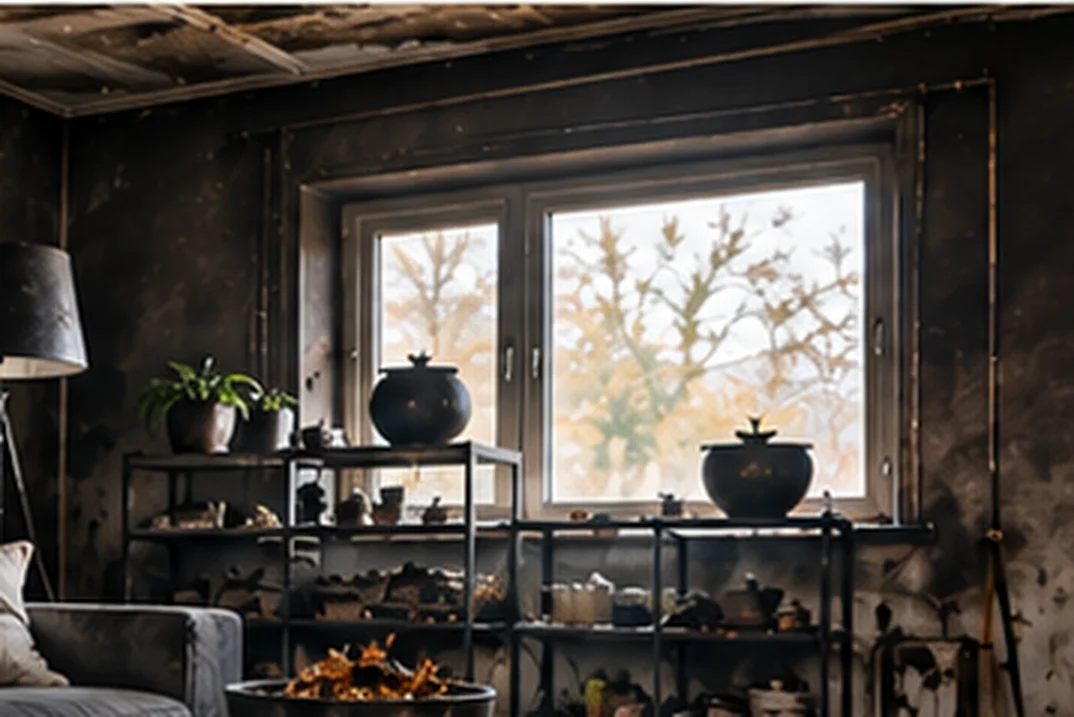
Soot damage
Soot and smoke penetrate deep into textiles and require special treatment.
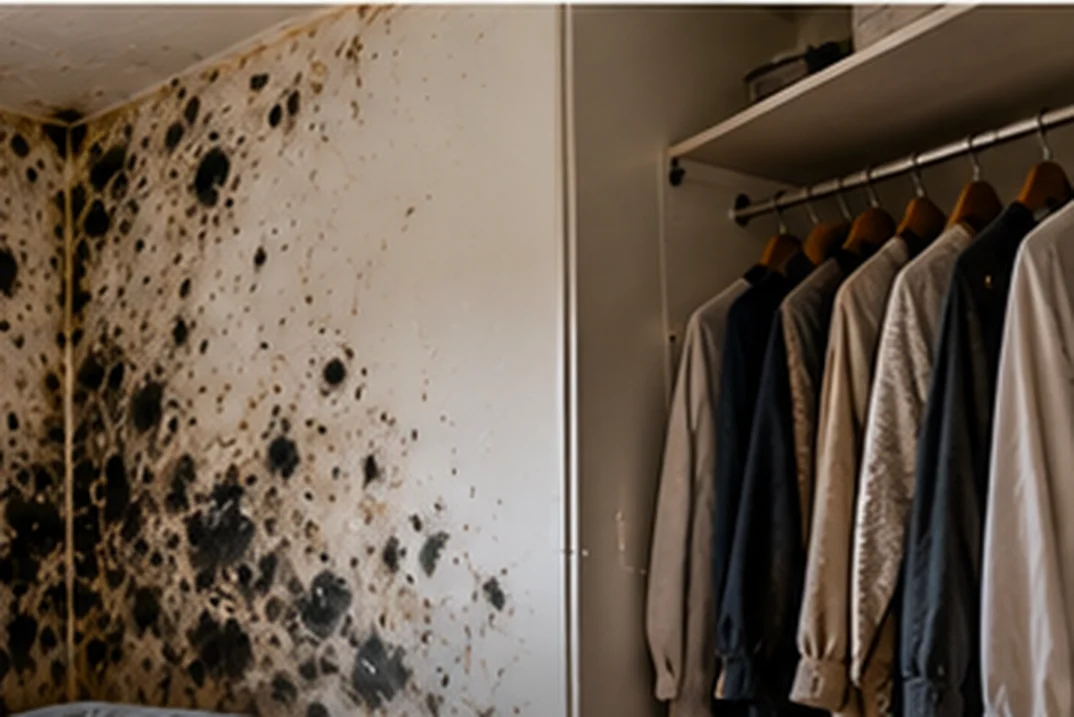
Mould damage
Damp and mould can settle in clothing and textiles and require professional treatment.
The images on this page are AI-generated and used as illustrations — not as documentation of work carried out.
Process
Assessment before treatment
We work textile by textile, so you know what is happening.
1. Contact
Tell us what happened, when, and which textiles are involved.
2. Inspection
We look at the material and the nature and extent of the damage, and assess what can be treated.
3. Treatment
Washing, professional wet cleaning or dry cleaning chosen according to textile and damage, followed by a check.
4. Feedback
You receive the result and a clear message about anything that could not be treated.
The material, the nature of the damage, how long the textile has been left and its condition when handed in all affect the result. We always assess the textile and the stain before treatment and tell you what we expect is possible.
For the damage restoration industry
We carry out work for larger damage restoration companies
We handle textile work for larger damage restoration companies in Denmark and are used to documentation, labelling and agreed time frames.
- Registration and sorting of textiles per case.
- Written assessment of what we judge can be treated and what cannot.
- Agreed delivery times for both individual cases and larger batches.